

Malaysia’s Inflation in the 1970s: The Oil Shock Era
How global oil prices and supply shocks triggered Malaysia’s first major inflationary crisis and reshaped economic policy for decades.
Read MoreReal data on which goods and services drove inflation the most. Covers food, housing, transport, and energy across different decades in Malaysia’s economy.

Inflation isn’t abstract. It’s the everyday reality of paying more for groceries, rent, and transportation. But here’s what most people don’t realize — inflation doesn’t hit everything equally. Some goods become dramatically more expensive while others stay relatively stable. That’s what we’re exploring here: the actual data behind which products and services drove Malaysia’s inflation the most.
Between the 1970s and today, Malaysia experienced several distinct inflationary periods. The 1973 oil crisis, the 1997-1998 Asian financial crisis, the 2008 global downturn — each left different fingerprints on consumer prices. By understanding which categories spiked hardest during each period, you’ll see how policy responses worked (or didn’t) and what that means for your own financial planning.
Food and energy prices consistently dominate inflation figures in Malaysia’s economy. That’s not coincidence — they’re essential expenses that households can’t avoid. When global oil prices spike, it affects not just petrol at the pump but also transportation costs for goods, fertilizer for agriculture, and electricity rates.
In 1973, when OPEC restricted oil supplies, Malaysia’s inflation jumped to over 15% within months. Food prices led the charge because farmers faced higher input costs and transportation expenses. Rice, which was already becoming import-dependent, saw prices nearly double in some months. By the early 1980s, when oil prices crashed from their peaks, you’d think prices would fall equally fast. They didn’t. Food prices remained elevated because retailers and producers adjusted their margins.
Key Pattern: Food typically accounts for 25-35% of Malaysia’s Consumer Price Index basket. When food inflation runs high, overall inflation feels especially painful because it directly affects household grocery bills.

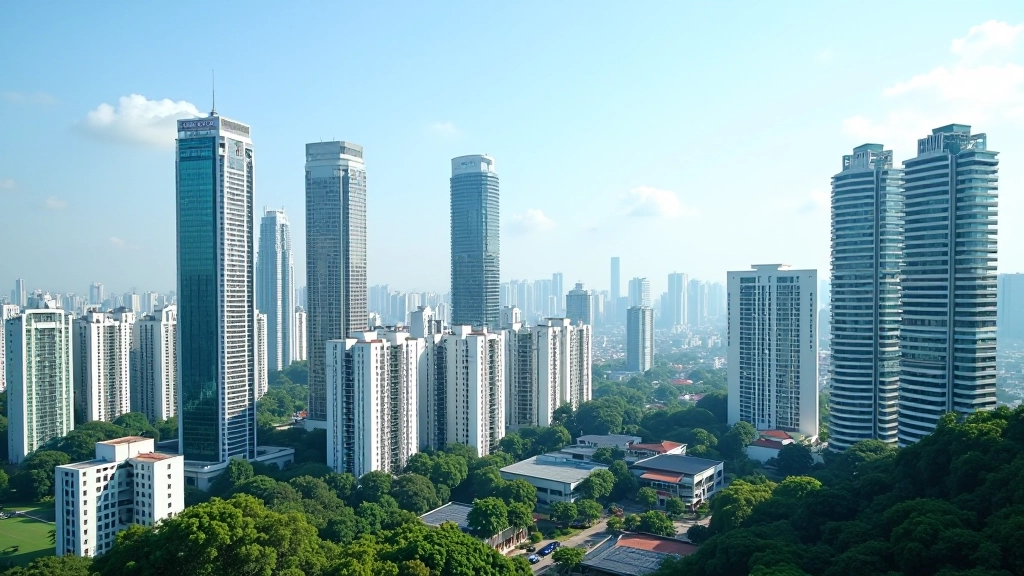
Housing costs move differently than food. They’re “sticky” — meaning they don’t spike and crash as dramatically. But they compound over time. Rent and property prices in Malaysia’s major cities have tripled since the 1990s. That’s not because landlords woke up one morning greedy. It’s because of construction costs, land scarcity, and population growth in urban centers.
Transport costs tell a similar story. Vehicle prices, fuel, maintenance, and insurance have all increased substantially. Between 1998 and 2008, transport inflation averaged around 8-10% annually — outpacing overall inflation. Why? Import duties on vehicles, global steel prices, and petrol cost volatility all played a role. By 2022, with supply chain disruptions and semiconductor shortages, car prices reached historic highs.
Here’s what matters: housing and transport account for nearly 40% of many Malaysian household budgets. When these categories inflate, people feel it deeply because they’re not optional expenses like dining out.
Not every category behaves the same way during inflation. Let’s break down the patterns:
Volatile and responsive. Prices spike with global commodity shifts, monsoon seasons affecting yields, and import dynamics. Rice, cooking oil, and chicken have shown the sharpest increases.
Directly tied to global oil and gas markets. Government subsidies and fuel regulation have historically kept prices artificially stable, then adjustments come suddenly.
Gradual but relentless. Driven by land scarcity, construction materials, and population movement to urban areas. Less volatile than commodities but harder to escape.
Import-dependent, so affected by exchange rates and tariffs. Supply shocks (like 2021-2023 chip shortages) cause sharp increases.
More stable than commodities. Dominated by manufacturing costs and global labor markets. Hasn’t spiked dramatically in recent decades.
Wage-driven inflation. As worker salaries increase, service costs rise. Healthcare inflation has accelerated as medical technology costs climb.
During inflationary periods, food and energy prices have consistently outpaced discretionary spending like entertainment or dining out. That’s because demand for essentials doesn’t drop when prices rise — people still need to eat and stay warm. Suppliers know this and adjust prices upward more aggressively.
Malaysia imports roughly 90% of its rice and significant portions of cooking oil, wheat, and animal feed. When global commodity prices spike or exchange rates weaken, domestic prices follow quickly. This isn’t something any single government policy can fully prevent.
Malaysia’s history of fuel and food subsidies has temporarily shielded consumers but created fiscal pressure on government budgets. When subsidies are eventually removed (as they were for fuel in 2008), prices jump suddenly. A gradual price adjustment might be less painful politically but more predictable economically.
Across Malaysia’s inflationary episodes, wage growth has typically trailed price increases by 1-3 years. Real purchasing power declines for workers during high inflation, even if nominal wages increase. That’s why understanding which categories inflate matters — your salary might grow 5% while food costs rise 12%.
Understanding past inflation patterns helps you make smarter financial decisions today. We’ve created comprehensive resources on monetary policy, specific crisis periods, and how price stability is maintained in modern Malaysia.
Browse All ResourcesThis article provides historical information and analysis about Malaysia’s inflation patterns and consumer price trends for educational purposes. The data, statistics, and historical information presented reflect publicly available sources and general economic patterns. This content is intended to help you understand economic concepts and historical events — not to provide financial, investment, or economic policy advice. Individual circumstances vary, and past patterns don’t guarantee future results. For specific financial decisions, consult with qualified professionals. Bank Negara Malaysia’s official reports and publications are authoritative sources for current inflation data and monetary policy information.